

Early autumn is one of the best times to plant many trees, shrubs, and hardy perennials in mid-atlantic states like…
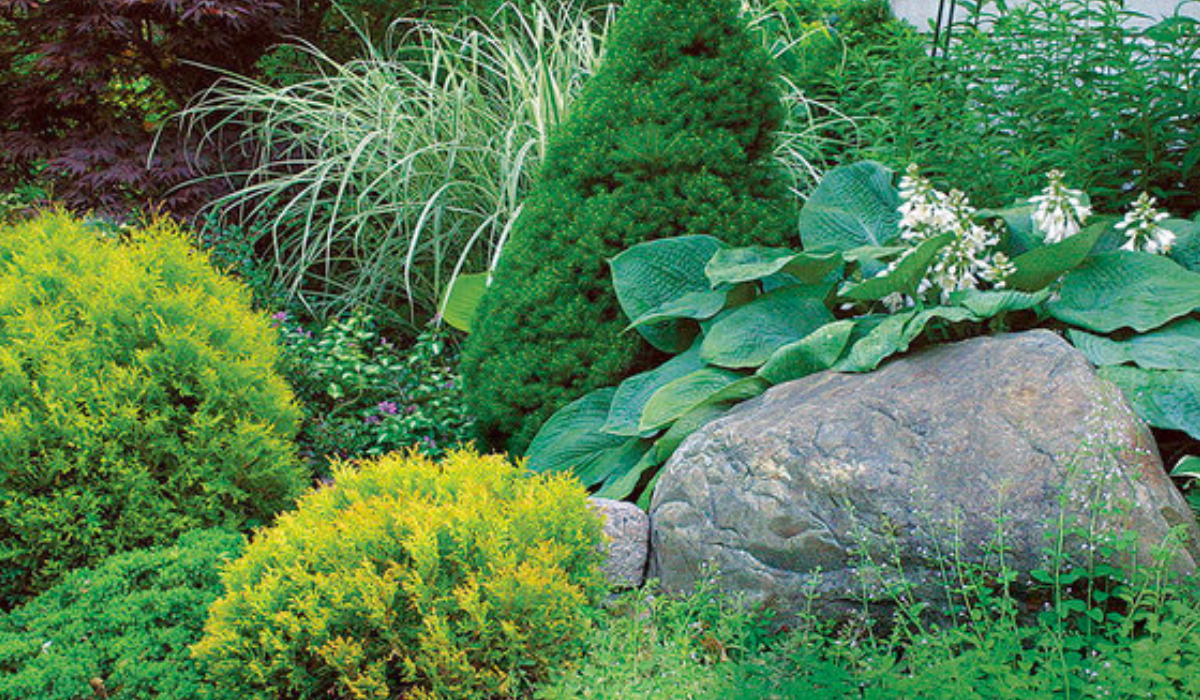
Will your garden look beautiful after the flowers have gone? While color, shape, and form are essential elements of garden design, texture is often an overlooked feature that can make a landscape just as beautiful after the flowers have faded. As the seasons change and blossoms disappear, a garden’s lasting appeal comes from the interplay of foliage, branches, seed heads, stone, and other natural materials.
Texture brings a three-dimensional quality to the landscape, creating light, shadow, and contrast. Consider the difference between a soft flower petal, an airy ornamental grass plume, a bold Hosta leaf, and a rough boulder. Each offers a distinct character and adds interest in its own way. Without these variations, a garden can feel flat and lifeless.
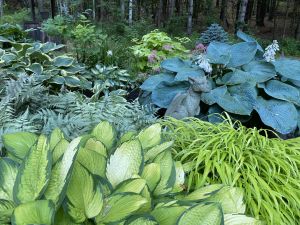
One of the most beautiful examples of garden texture is ornamental grass, with its feathery plumes and delicate foliage. Its fine texture pairs beautifully with plants that have larger, bolder leaves, such as Hostas and Hydrangeas. Rugged evergreen foliage can also provide a striking contrast. Combining fine and coarse textures encourages the eye to move through the garden, revealing new details along the way.
As you plan your garden, look beyond the flowers and consider how each plant and material contributes to the overall feel. Mix delicate foliage with bold leaves, pair smooth surfaces with rough ones, and allow ornamental grasses and seed heads to remain part of the seasonal display. Color may fade, but thoughtful use of texture and structure keeps a garden engaging throughout the year.
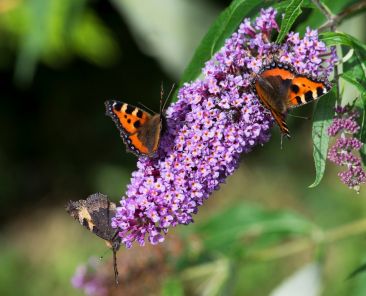
Guide to Growing Butterfly Bushes in New Jersey You can attract hummingbirds, butterflies, and other local pollinators to your New…
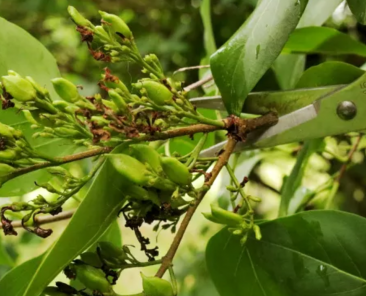
Summer is in full swing, and while you’re enjoying your garden, it’s also the perfect time to give many of…