After getting through a harsh winter, damage to your trees and shrubs is to be expected. It is relatively common to experience harsh winters for New Jersey residents. Everyone’s landscape has that same monochromatic brown cast to everything.
What causes this damage? There are different winter conditions that contribute to these problems. They are: wind desiccation, leaf scorch/reflective damage, and salt damage.
Wind Desiccation
Broadleaf evergreens, in particular, are susceptible to winter damage/wind desiccation. These plants require extended periods (3 Weeks Consistently) of nighttime temperatures to stay above 50 degrees, which allows for the new growth to flush out the old dying growth, and the plants actively start growing again. Continue proper watering procedures and report to us if there is no improvement over this period of time. Most often it takes this prolonged period of warmer weather to see improvement, usually mid-June. Wind desiccation occurs when trees and shrubs are exposed to dry, cold, sweeping winds. Moisture from stems and leaves are drawn out of the leaf and stem tissue, causing cells in the leaves and stems to break down. The results of this are leaves that have a brown cast on the whole leaf or on certain sections of the leaf. Stems could have a puckered look and may be discolored. Plants that are constantly exposed to winds should be given protection by applying an anti-desiccant or constructing a wind barrier in late November.
Click here to learn more about wind desiccation
Leaf scorch/reflective damage
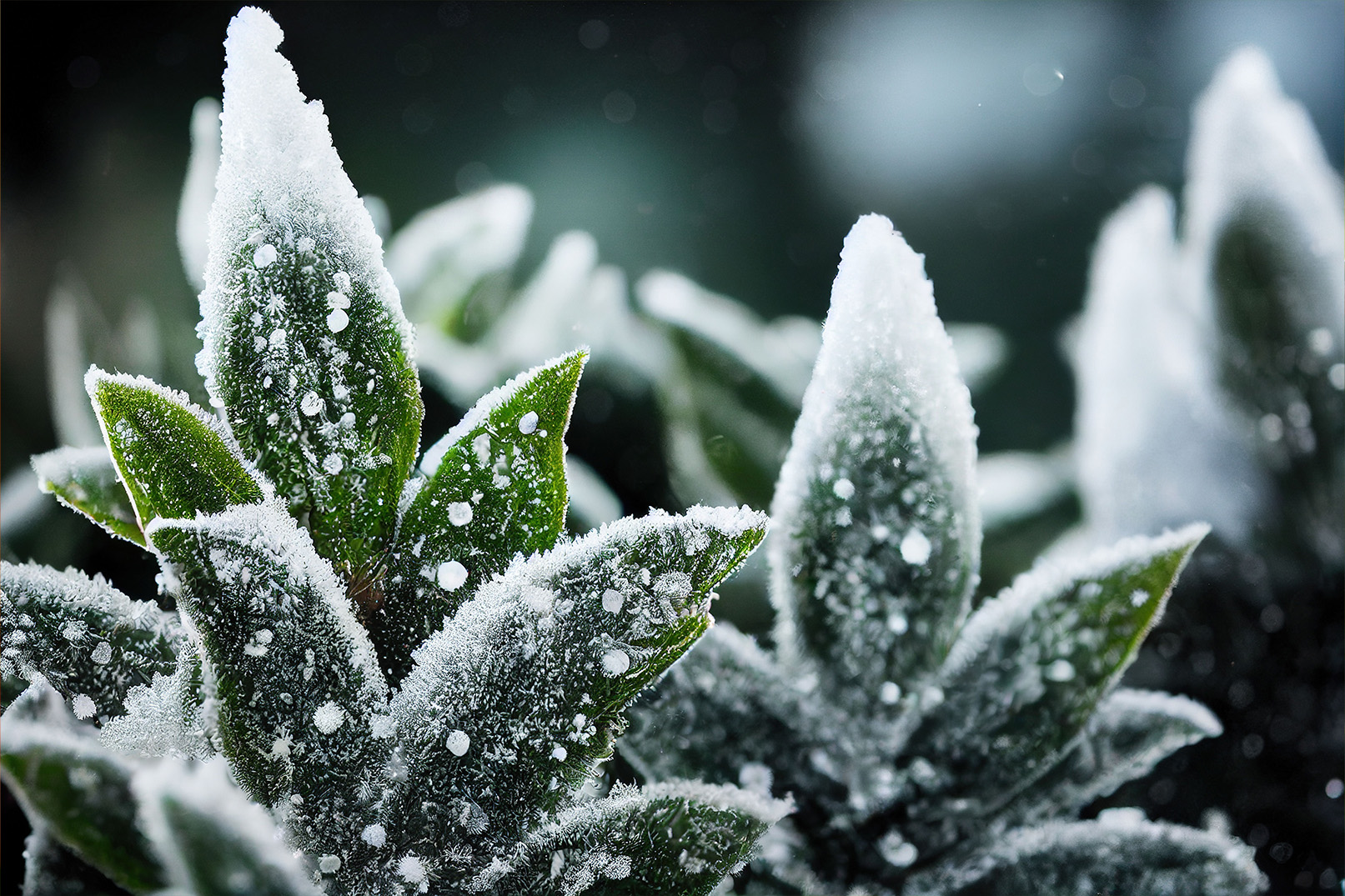
Leaf scorch/reflective damage occurs when plant parts not covered by snow are exposed to reflective sunlight from the snow. The light intensity causes a burn on exposed leaves and needles. Usually you will see this towards the bottom of the plant just above the snowline. Anti-desiccants and screen barriers can be used to deflect some of this intense light.
Salt Damage
Salt damage can occur from municipalities applying salt to roadways. This can damage plants in two ways. First, when salt and snow melt, passing cars create a spray which coats leaves and stems. The salt draws the moisture out of the cell tissue causing brown spots on broadleaf or brown tips on needled evergreens. Secondly, salt works its way into the root systems of plants and causes damage to root hairs, which are vital to nutrient and water uptake. A good habit to develop is when the weather in early spring gets warm, hose down your plants and soak the soil thoroughly to dilute salt buildup from the winter.
The damage has occurred, what should I do?
Now that we know some of the causes of winter damage, where do we start? The first reaction by homeowners is that plants are dead and need to be removed. Although this may appear to be the case, many of your trees and shrubs are actually alive and will bounce back. The first step is to be patient… Many plants that have winter burn need to have their first flush of growth (new leaves emerge). This occurs anywhere from mid-May to mid-June, depending on the variety. At this point you will be able to tell what needs to be pruned. There will also be some plants that do not come back at all. Homeowners that use gardeners should convey this to them so that the plants in question are left alone and not severely pruned or pulled out.
Many Homeowners also feel the need to help the plant and start fertilizing. Unfortunately, fertilizing in the spring does not get to the root system in time to help the plant get out of the damage from the winter. That’s why late fall fertilization is critical for winter survival. The fertilizer works its way into the root system and is available for the plant when the plant actively starts growing again. Preparation in the fall will be your best step in making sure winter damage is minimal and your plants bounce back faster after a severe winter. Remember, you just have to wait!
The following is a quick list of broadleaved plants that typically show winter damage:
- Skip laurel
- Cherry laurel
- Holly
- Rhododendron
- Azalea
- Japanese pieris (andromeda)
- Leucothoe
- Skimmia
- Boxwood
- Various needle evergreens (pines, junipers, cypress)
- Leyland cypress
- Yews
- Arborvitae