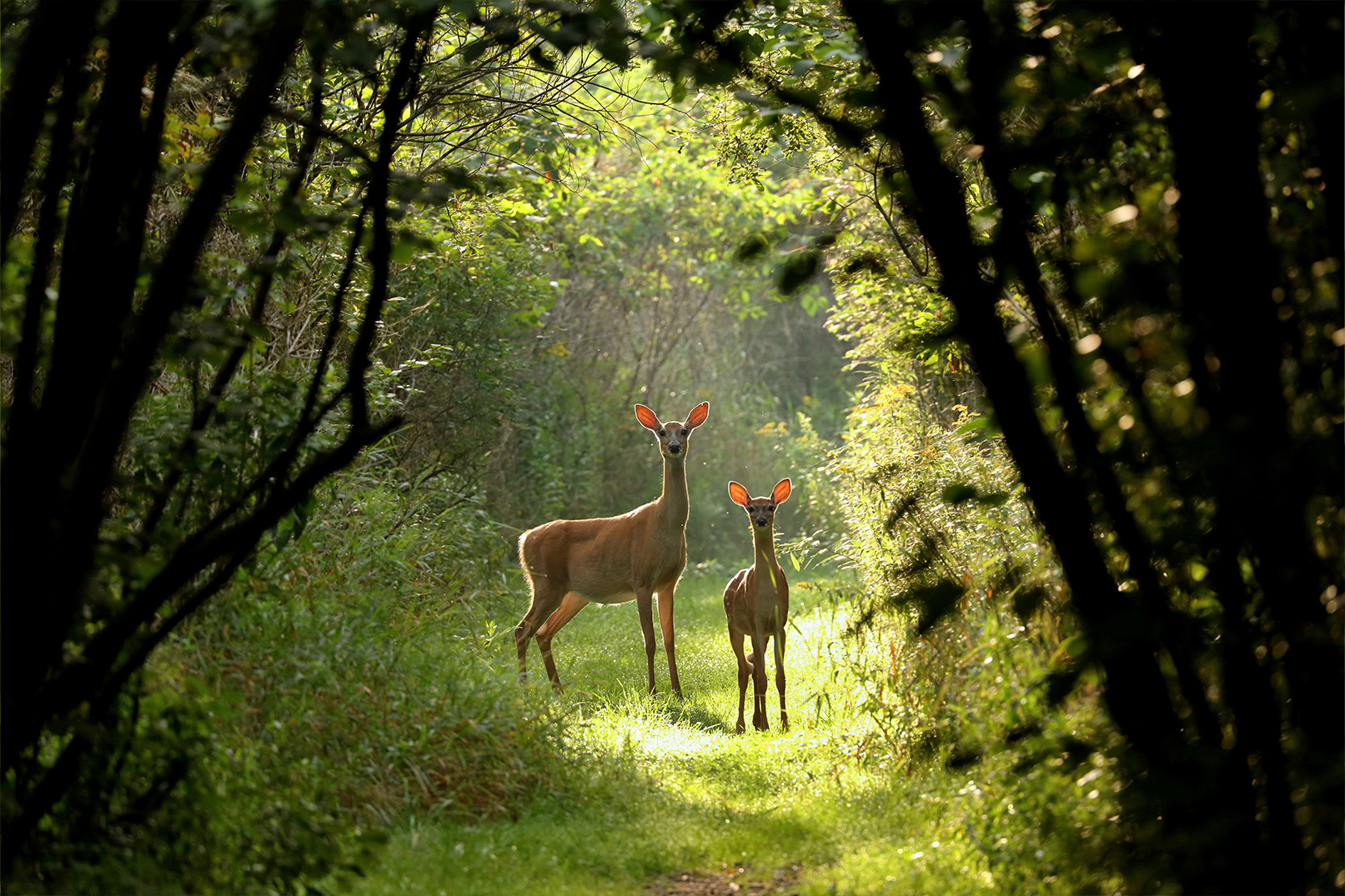
No plant is deer proof! The selectivity of deer for any given plant depends on a variety of factors.
• How much food is available.
• Season: time of year and hunger level.
• Learned preferences of your local population.
• Natural plant defenses like thorns, bad taste, or toughness.
• Age of deer: fawns will experiment with new plants to learn about them.
• Antler shedding season lasts from fall to late winter. No plant is resistant to being rubbed!
White tail deer foods include turfgrass, herbaceous annual and perennial ornamentals, natives, many weeds, leaves and twigs of woody plants, nuts, fruits, and mushrooms. Deer prefer herbaceous plants as they are more plentiful and easier to eat. Availability of these foods varies with season. In developed areas the lack of wilderness can push deer to try your landscape plantings.
Deer damage is most likely when herd numbers are high and their environment is stressed. Deer are creatures of habit. They form their walking routes early in the season. Act early to reduce visits.
Options to Deter Deer
• Protective structures such as fencing and gates.
• Adding a wild area if space permits. This will give deer a preferential area to eat.
• Repellent sprays create a bad smell and taste. This is recommended for any new plants so deer will associate the plant with bad taste.
• Hazing devices that emit noise or spray water: windchimes, hanging spinners, visual deterrents. Move these devices frequently to keep deer from creating routine pathways.
• Use trunk guards on trees seasonally until they are at least 5 or 6 inches in diameter.
No plant is deer proof, but selecting deer resistant plants is a first step to deter deer from damaging your landscape.
The following is a list of landscape plants that have been cited as deer resistant around our area. Speak with one of our nursery associates to create a strategy to minimize deer damage in your landscape!
Evergreen Shrubs
• Andromeda
• Boxwood
• Cherry Laurel, dwarf
• Cryptomeria
• Holly, Inkberry
• Holly, Red Beauty
• Juniper
• Leucothoe
• Mahonia
• Pine, most
• Osmanthus
• Plum Yew
• Privet
• Russian Cypress
• Spruce
• Sweetbox
• Yucca
Evergreen Trees
• Arborvitae, Giant
• Cryptomeria
• Cedar
• Holly, American
• Holly, Dragon Lady
• Juniper
• Magnolia, Southern
• Pine, most
• Spruce
Deciduous Shrubs
• Abelia
• Aronia
• Beauty Berry
• Beauty Bush
• Bottlebrush Buckeye
• Butterfly bush
• Caryopteris
• Chokeberry
• Clethra
• Cotoneaster
• Deutzia
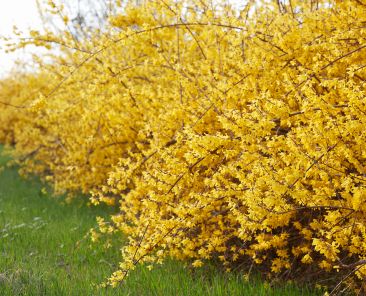
• Forsythia
• Fothergilla
• Fragrant Sumac
• Heather
• Itea
• Lilac
• Mock Orange
• Potentilla
• Pyracantha
• Quince
• Smokebush
• Spirea
• St. John’s Wort
• Viburnum, most
• Vitex
• Weigela
• Witch Hazel
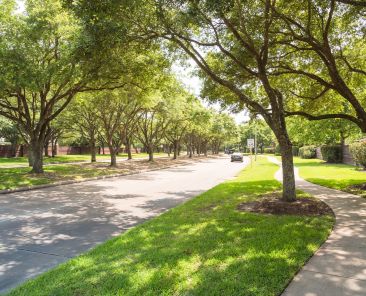
Deciduous Trees As a rule, deciduous trees are high-branched and safe from browsing, as deer will only nibble on low branches that they can reach. However, always wrap young trees in fall and winter to protect them from deer rub.
• Beech
• Birch
• Crape Myrtle
• Dawn Redwood
• Fringe Tree
• Ginkgo
• Golden Rain Tree
• Hawthorn
• Honeylocust
• Horse Chestnut
• Japanese Maple
• Katsura
• Magnolia
• Paperbark Maple
• Pawpaw
• Redbud
• Red Maple
• Serviceberry
• Sugar Maple
• Tulip Tree
Groundcovers
• Pachysandra
• Vinca
Ornamental Grasses
Bluestem
• Fescue
• Fountain
• Grama
• Hakone
• Lyme
• Maiden
• Muhly
• Reed
• Sea Oats
• Sedge
• Switch
Perennials
• Actaea
• Agastache
• Ajuga
• Allium
• Amsonia
• Anemone
• Aster
• Astilbe
• Balloon Flower
• Baptisia
• Beardtongue
• Bee Balm/Monarda
• Bleeding Heart
• Bluebells
• Brunnera
• Butterfly Weed
• Catmint/Nepeta
• Columbine
• Coreopsis
• Creeping Jenny
• Crocosmia
• Crocus
• Daffodil
• Dianthus
• Echinacea
• Epimedium
• False Sunflower
• Fern, all
• Forget-Me-Not
• Fritillaria
• Geranium
• Goldenrod
• Helleborus
• Hen and Chicks
• Herbs
• Hyacinth
• Iris
• Jacob’s Ladder
• Joe Pye Weed
• Lamb’s Ear
• Lamium
• Lady’s Mantle
• Lavender
• Liatris
• Ligularia
• Lily of the Valley
• Meadow Rue
• Monkshood
• Peony
• Phlox
• Plumbago
• Primrose
• Pulmonaria
• Red Hot Poker
• Russian Sage
• Salvia
• Silver Mound
• Sneeze Weed
• Spiderwort
• Squill
• Swamp Milkweed
• Sweet Woodruff
• Tiarella
• Veronica
• Yarrow
Vines
• Trumpet Vine
• Wisteria