Skip to main content Scroll Top

Year-Round Maintenance Schedule

January

  • Spread winter mulch in beds — use leaves, branches from Christmas trees, woodchips, or mulch to prevent heaving
  • Go through your garden and inspect for winter damage
  • Prune damaged branches and dead wood on woody shrubs and trees (test for dead branches by scratching bark and looking for green)
  • Do some formative pruning on summer or fall flowering woody shrubs (butterfly bush, itea, spirea…)
  • Fertilize acid-loving shrubs, if not already done in fall
  • Water evergreen and broad-leaf evergreen shrubs during warm spells
  • Protect shrubs planted under the roofline from snow, remove heavy snow from shrubs to prevent damage
  • Use sand, gravel, urea or kitty litter instead of salt on driveway or paths near garden

February    

  • Plant seeds indoors that need 10-12 weeks before transplanting
  • Continue looking for plant damage and pruning dead wood
  • LIGHTLY prune the ends of spring-flowering shrubs to “force” them
  • Prune deciduous trees, EXCEPT river birch, flowering cherries, maples, and lindens
  • Continue removing heavy snow from shrubs
  • Do formative pruning on barberry, summer-flowering shrubs; do regenerative pruning on shrubs with colorful branches, such as red or yellow twig dogwood
  • Apply weed pre-emergent

March    

  • *Know the last spring frost date for your area*
  • Beware of frosts after thaw; make sure any unprotected plants are mulched
  • Plant seeds indoors that need 8-10 weeks before transplant
  • Continue pruning deciduous trees; do regenerative pruning on shrubs and vines that flower on new wood/have colorful branches
  • DON’T prune spring-flowering shrubs except to correct problems (this will be done after they’ve bloomed)
  • Transplant un-established shrubs before they bud out
  • Cut back ornamental grasses
  • Fertilize early-flowering bulbs
  • Apply weed pre-emergent if not done already in February

April    

  • When ground has thawed out, start digging/prepping new beds
  • Remove all winter mulches and composts
  • Start weeding, where necessary
  • Water all new plantings frequently (2-3x per week) and thoroughly (30+ minutes)
  • Plant trees, shrubs, and perennials, containers, or ball and burlap
  • Replant shrubs, trees, and perennials that have “heaved” out of the soil
  • Finish all transplants (must be done before buds have pushed out)
  • Finish cutting back ornamental grasses
  • Do formative pruning on all summer- and fall-blooming shrubs
  • Cut dead wood out of hydrangeas, cut all live branches back to 2 buds
  • Transplant and divide summer- and fall-blooming perennials
  • Re-mulch all beds
  • Add compost to perennial beds
  • Plant annual seeds
  • Repair lawn patches that need seed/sod
  • Deadhead spring flowers; prune when done flowering

May    

  • Weed all beds thoroughly
  • Beds should be re-mulched
  • Keep watering new and transplanted shrubs (2-3x per week)
  • Prune back spring-flowering shrubs after they’ve finished blooming (forsythia, lilac, azalea) and any dead wood
  • Continuously prune clematis to cut out dead/weak growth
  • In flowering trees, remove dead wood only
  • Prune or hedge evergreens
  • Plant potted roses, fertilize
  • Finish dividing spring and fall blooming perennials
  • Stake peonies, delphiniums, and garden phlox early
  • Repair lawn patches, seed/sod
  • Plant annual seeds
  • Start planting annuals outside AFTER last frost

June    

  • Heavily and thoroughly water new plants and transplants, preferably early in the morning, and make sure they are well mulched (to retain water during heat/dry spells)
  • Water all plants heavily and infrequently when not in extreme heat or drought conditions, to build drought resistance
  • Weed as necessary — for a plant to be truly healthy, it must be weed-free!
  • Throw healthy grass clippings into compost pile
  • Prune spring-flowering shrubs, deadhead mountain laurel, rhododendron, azalea, lilacs (when done flowering) and shrub roses (to encourage continued blooms)
  • Treat roses to prevent fungus; fertilize
  • Continue planting shrubs, trees and perennials (especially containers)
  • Prune evergreens
  • Plant annual seeds
  • Pinch back mums when they’ve grown 4-6″

July    

  • Continue weeding
  • Water during extreme heat/drought
  • Continue deadheading roses and flowering perennials to encourage new blooms
  • Deadhead spring blooms, if not already done
  • Prune woody vines after blooming
  • Prune flowering cherries and maples; birch and lindens can be lightly pruned.
  • Finish transplanting annuals into garden (finish EARLY July)
  • Pinch back mums, asters, dahlias, cosmos, and zinnias
  • Cut back spring perennials that are damaged or spent
  • Begin to dig and divide spring-blooming perennials (iris, some early-flowering daylilies)
  • Turn compost pile

August    

  • Continue weeding, watering during dry spells
  • Stop pruning trees and shrubs
  • Don’t fertilize after mid-August
  • Continue dead-heading flowers to prolong bloom time
  • Cut hollyhocks down to ground after blooming
  • Add fall perennials to garden
  • Seed new lawns after August 15th. Best time of year to seed is generally from August 15th through October 15th.

September    

  • Water during dry spells
  • Plant roses, trees, shrubs, and perennials — water heavily once a week
  • Mow lawn frequently, fertilize, plant grass seed until soil cools
  • De-thatch and aerate lawn
  • Cut back spent perennials
  • Divide perennials and peonies
  • Plant tulips
  • Uproot annuals, throw them into compost pile
  • This is the best time of year to seed new lawns, warm days and cool nights facilitate rapid weed-free turf establishment

October    

  • Have soil pH tested; make necessary amendments
  • Add leaves to compost pile
  • Transplant established trees and shrubs after defoliated
  • Best time of year to seed new lawns, warm days and cool nights facilitate rapid weed-free turf establishment
  • Seed until frost; discontinue after frost
  • Avoid planting flats of evergreen groundcover (pachysandra, ivy, myrtle) after frost
  • Plant all trees, shrubs, perennials
  • Clean up perennials beds after frosts (cut back, clean up what has died down)
  • Plant hardy spring-flowering bulbs
  • Dig and store summer-flowering bulbs and tubers

November

  • Adjust soil pH
  • Rake leaves off lawn before snow
  • Spray broad-leaf evergreens with Wilt-Pruf®
  • Water broad-leaf evergreens on warm days
  • Fertilize trees and shrubs (that have been planted for at least a year) when dormant
  • Finish cutting back perennials; mulch perennial garden after ground has frozen
  • Plant spring-flowering bulbs until the ground freezes
  • Transplant established trees and shrubs after they lose their leaves

December    

  • Apply winter mulches after ground freezes
  • Bring in clay and cement pots and statues
  • Use sand or kitty litter on ice instead of salt
  • Water evergreens, especially newly planted ones, when ground is not frozen or during warm spells
  • Protect shrubs under roofline from snow damage
  • Make sure all broad-leaf evergreens have been sprayed (Wilt-Pruf®)
  • Plan your garden for next year

Related Articles:

Cercis chinensis, the Chinese redbud is a plant in the legume th
Eco-Friendly Trees

Plant trees to help reduce the Greenhouse Effect while reducing your air conditioning needs up to 30 percent, and thereby reducing…


Cercis chinensis, the Chinese redbud is a plant in the legume th
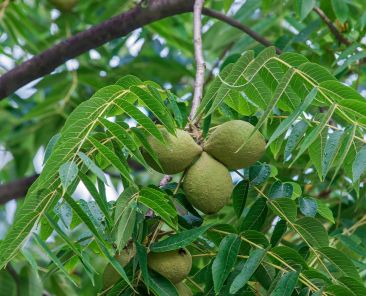
Black Walnut Toxicity

Black walnut (Juglans nigra L.) is a valuable hardwood lumber tree and Indiana native. In the home landscape, black walnut is…
Cercis chinensis, the Chinese redbud is a plant in the legume th
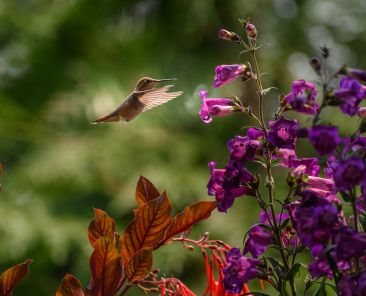
Bird Gardening

Below is a listing of plants that are attractive to birds: Viburnum — Very diverse group, specimen or border planting, great…