Guide to Growing Butterfly Bushes in New Jersey
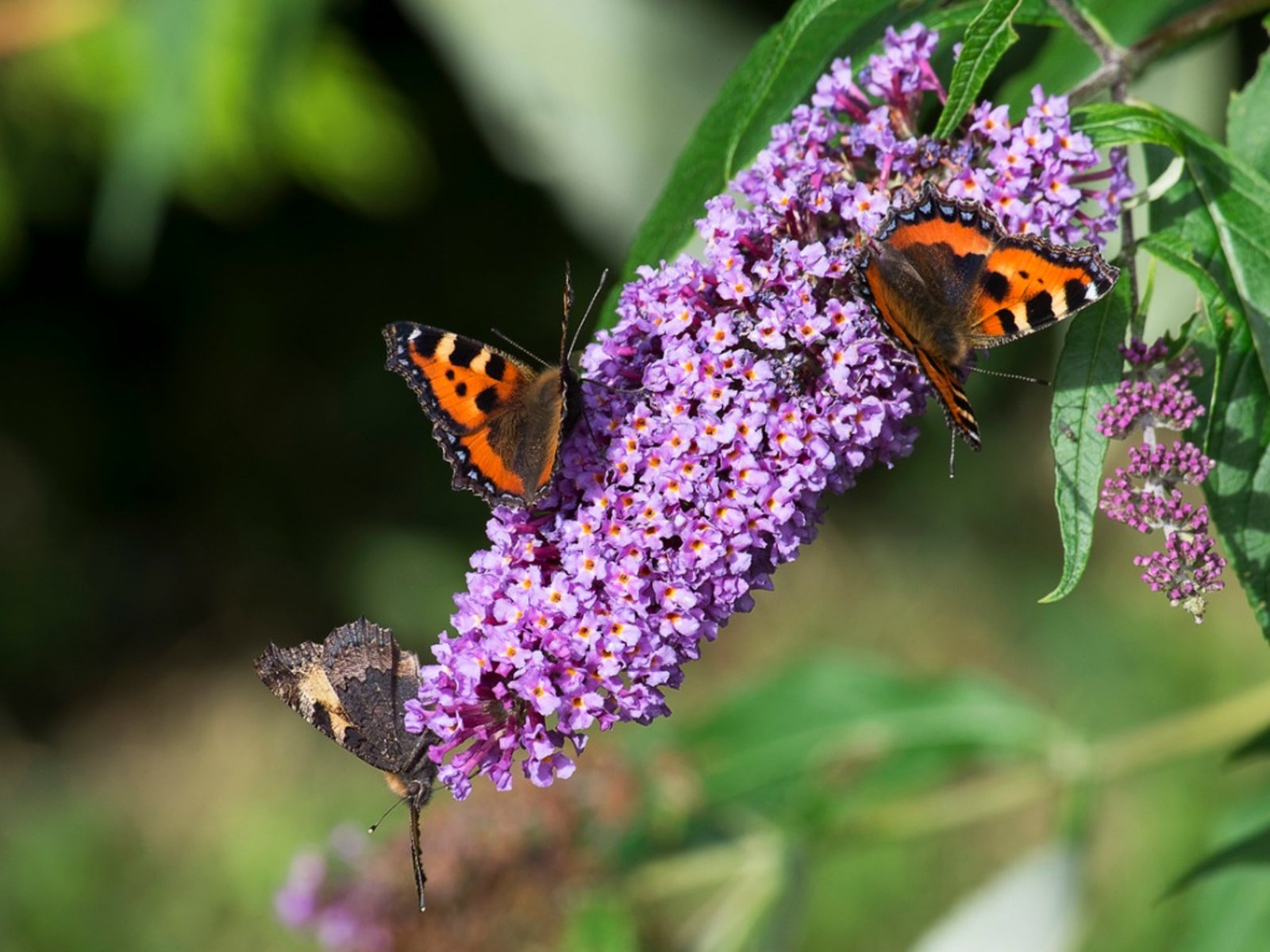
You can attract hummingbirds, butterflies, and other local pollinators to your New Jersey garden by planting a butterfly bush. This fast-growing, low-maintenance perennial is famous for its long, cone-shaped flower clusters that bloom from mid-summer into fall’s first frosts (around October 20). Also, the butterfly bush’s flowers come in numerous colors, including shades of pink, purple, magenta, white, and yellow.
New Jersey gardeners love the butterfly bush for its sweet fragrance. Plus, its heat tolerance, and drought tolerance (once the plant is established) makes it a plant that thrives during the summer heat. The fact that the butterfly bush is a deer-resistant plant as well is just a bonus.
But how do you care for a butterfly bush? What should you plant with a butterfly bush? Here at Rutgers Landscape and Nursery, we have decades of gardening expertise. So, here’s our guide to planting and caring for a butterfly bush.
Sun and Watering Requirements for Butterfly Bushes
While the butterfly bush is low maintenance, you still need to ensure that it gets sufficient sun and water to grow the best flowers possible.
Sun Requirements
Butterfly bushes require full sun, which means they need at least 6 to 8 hours of direct, unfiltered sunlight every day. Too much shade will result in minimal branches, few flower spikes, and a high chance of fungal disease.
Watering Requirements
Butterfly bushes hate having wet feet (i.e., soggy roots). This is because these plants are susceptible to root rot if they sit in soggy, poorly draining soil.
For newly planted butterfly bushes, water them deeply 1 to 2 times a week during their first growing season to help their root systems expand. For established bushes, water them only during extended summer dry spells or when there have been two weeks of no rainfall. You can check out our watering guide for more detailed information.
How to Plant a Butterfly Bush
1. Select the Best Time for Planting
The best time to plant a butterfly bush in New Jersey is during early spring or early fall because both seasons give roots time to establish before extreme hot or cold temperatures set in and potentially stress the plant.
2. Choose a Planting Spot
Pick an area in your yard that gets lots of sunlight and has excellent drainage. Avoid low spots where water puddles after a heavy rain.
3. Dig the Hole
Dig a hole twice as wide as the root ball of your butterfly bush. However, keep the hole’s depth the same as the root ball’s depth. This will prevent the crown from sinking and rotting.
4. Amend Your Soil
Mix organic compost into the native soil you dug out. This adds nutrients and helps loosen up heavy clay or sandy soils. You can check out our soil guide for more details on what soil amendments you may need to add to your soil.
5. Place the Plant and Backfill
Remove the butterfly bush from its nursery pot and loosen any bound roots. Place it in the hole, fill it back up with your soil-compost mix, and press down on the soil to reduce any air pockets.
6. Water and Mulch
Give the newly-planted shrub a thorough soaking to settle the ground. After watering, add a 2-to-3-inch layer of mulch around the plant’s base to retain moisture and protect the plant, but keep the mulch away from the main wooden stems. If you aren’t sure what kind of mulch to get, stop by our garden center in Ringoes, New Jersey, and we can help you choose the right mulch for your garden and your aesthetic.
When and How to Prune a Butterfly Bush
Butterfly bushes need annual pruning because they grow quickly and they only produce flowers on new growth (the wood that grows during the current spring). If you leave them unpruned, they can become overgrown, woody, and bare at the bottom.
Prune your butterfly bush in late winter or early spring when you first see signs of green leaf buds breaking through the bark. Avoid pruning butterfly bushes in the fall because winter’s freezes could cause frost damage on any open stems and can kill these plants.
To prune a butterfly bush, take a sharp pair of loppers or pruners and cut the shrub back to about 12 to 24 inches above the ground. It can feel intimidating to cut a large bush down so drastically, but this pruning will stimulate a flush of new branches that will reward you with an explosion of beautiful flowers by mid-summer.
Companion Plants for Butterfly Bushes
Creating a stunning garden display is all about choosing companion plants that share the same love for full sun and well-draining soil, while offering contrasting textures and colors. When designing your garden beds, consider mixing your butterfly bush with the following:
- Bee Balm/Wild Bergamot (native plant)
- Black-Eyed Susan (native plant)
- Butterfly Weed (native plant)
- Fountain Grass
- Little Bluestem (native plant)
- Purple Coneflower (native plant)
- Salvia/Ornamental Sage
- Sedum
- Yarrow (native plant)
Visit Rutgers Landscape and Nursery
Whether you’re looking to design a dedicated pollinator paradise or simply want to add a splash of low-maintenance color to your landscape, Rutgers Landscape and Nursery is here to help you every step of the way.
Our New Jersey garden center has the healthiest and highest-quality trees, shrubs, perennials, and annuals. Also, our friendly and knowledgeable staff would love to help you choose the right plants for your home and help set your garden up for success.
For more personalized and in-depth support, you can contact our garden coaching services, and for a done-for-you professional feel, check out our landscape design service.
We want you to grow with confidence, and we can’t wait to help you.