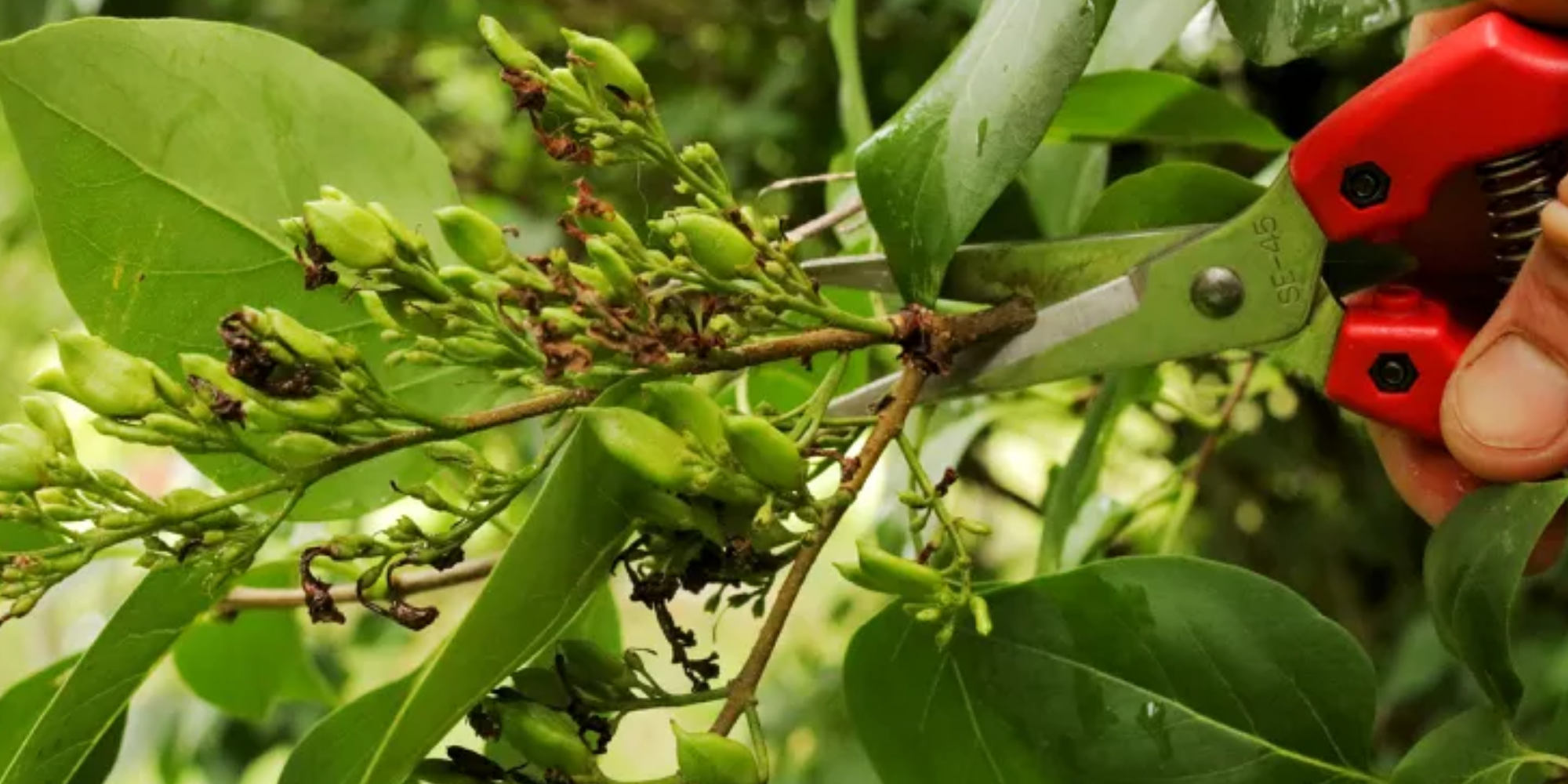
Summer is in full swing, and while you’re enjoying your garden, it’s also the perfect time to give many of your shrubs and perennials a little mid-season haircut. One of the best rules of thumb in gardening is “prune after bloom.” Most of our favorite spring-flowering shrubs bloom on old wood, meaning they form next year’s flower buds during the summer after this year’s blooms have faded. Plants like rhododendrons, azaleas, pieris, magnolias, lilacs, dogwoods, forsythia, deutzia, and weigela all follow this pattern. For example, once a rhododendron finishes blooming in May, it immediately begins producing fresh new growth. During the summer, those new shoots develop the flower buds you’ll enjoy next spring. If you wait until fall, winter, or early spring to prune, you’ll be cutting off those buds—and next year’s flowers along with them! And if a plant has outgrown its space, pruning after flowering encourages it to respond with fuller, bushier growth rather than becoming tall and leggy.
Summer is also a great time to give evergreen shrubs like boxwoods, laurels, and privet a trim. Whether you’re maintaining a formal hedge or simply keeping a favorite shrub from getting too large, pruning encourages dense, healthy growth and helps plants maintain a neat, attractive shape. Just remember the golden rule: never remove more than one-third of a shrub’s height or spread in a single season.
Perennials appreciate a little summer grooming, too! One of the easiest things you can do is deadhead spent flowers. Removing faded blooms keeps your garden looking fresh and colorful while encouraging many plants to produce even more flowers. Instead of putting their energy into making seeds, the plants redirect that energy into fresh growth and new blooms.
Many popular perennials will even reward you with a second flush of blooms after being cut back. Salvia, Catmint, Yarrow, Veronica, Coreopsis, Shasta Daisy, Hardy Geranium, Joe Pye Weed, Alchemilla, Lavender, and Coneflower all respond beautifully to a little midsummer trim.
As always, if you’re unsure what should (or shouldn’t!) be pruned, stop by the Nursery. Our Nursery Associates are always happy to help.