Rutgers Landscape & Nursery | Since 1986

  • Home
  • About
    • Our Team
    • Reviews
    • Our History
    • Rutgers News
    • Career Opportunities
  • Private Events
  • Contact Us & Directions to Rutgers Nursery
    • Nursery Hours
  • Nursery
    • Nursery Specials
    • Just Arrived!
    • Tour the Nursery
    • Nursery Services
    • Nursery Map
    • Gardening Info
    • Planting for Specific Conditions
    • Maintenance and Care Tips
    • Make a Customer Care Request
    • Rutgers Warranty
  • Landscape Design
    • Project Galleries
    • Before and After
    • 10 Things to Consider When Hiring a Landscape Professional
    • Professional Design Services
    • Contact a Designer
  • Shop Online
    • Gift Cards
    • Mulch
    • Soil
    • Bulk Stone
    • Nutri-Peat®
    • Garden Coach Sessions
    • Event Signup
    • Plants
    • Plants for Pollinators
    • Native Plants
  • Events Calendar
    • Classes and Events at Rutgers

Author Archives: RutgersLN

Post navigation

← Older posts
Newer posts →

Fresh from the Farm – Clump River Birch!

Posted on March 30, 2015 by RutgersLN

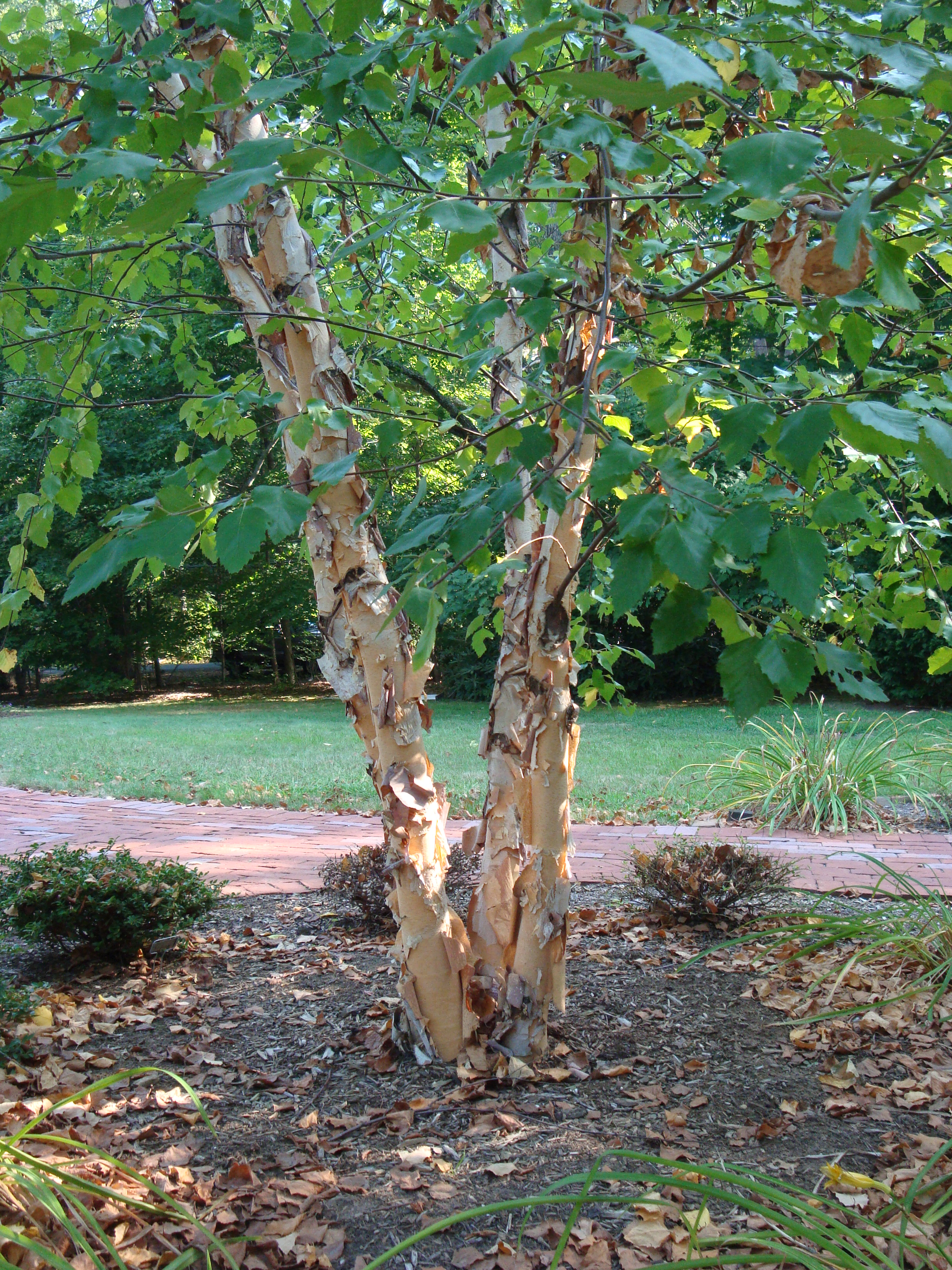
river birchRiver birch (betula nigra) is a graceful, fast growing tree that is hardy to our area and does well in wet soil.  Its oval canopy is lush, but not so dense that it prevents sunshine from dappling through.  Betula Nigras are great for punctuating a landscape by providing year-round interest.  As they drop their leaves in the fall, beautiful pink and cream colored bark contrasts well against the changing colors of the season.

Its height at maturity is approximately 30-40,’ with a canopy of similar width.  We have an excellent variety of clump river birches, ranging from two to five trunks!    Stop by and see!


Our crew harvesting fresh trees to display at the nursery!

river b

Posted in Uncategorized

This Just in! Jane Lily Magnolias!

Posted on March 24, 2015 by RutgersLN


Magnolia 'Jane' jane 2


The Jane Lily Magnolia is a very hardy variety that produces large, very fragrant blooms throughout April and May. Flowers are rich purple with white insides, and foliage is lush green, turning to golden brown in the fall.  This magnolia is great for modest spaces that could use some brightening up, and reaches a height of 15-20’ with a spread of 10-15.’ The trees that we just got in are 8-10’ and simply gorgeous.  Stop by and see for yourself!

Posted in Uncategorized

Goodbye Winter!

Posted on March 18, 2015 by RutgersLN


winter-injury1

Winter is over — or so we think! This time of year, one can never be too careful. Though the temperatures have been above freezing, we’re not in the clear yet when it comes to overnight temperatures and the possibility of a final winter squall. With much of the snow melted, you may have already begun to notice withered evergreens, brown spots, or entirely brown leaves. What should one do to assess winter damage? Check out our Coping with Winter Damage article by clicking Here!


Posted in Evergreens, Gardening Tips, Winter plant protection | Tagged evergreen, winter damage, winter plants

Q&A with Landscape Designer Dave Smith

Posted on February 25, 2015 by RutgersLN

Dave-Smith-Resize

What made you decide to become a landscape designer, and how long have you been designing for RLN?

I have always been an avid camper since a very young age, and I’d often go on camping trips with my dad. The more rugged and secluded the State Park or camp sites, the better. Even today, I will wander through the woods to simply observe. I wanted to recreate the peaceful feeling of being in the woods brought me one day. When it came time to choose my career path, my high school guidance counselor, who knew about my love of nature, recommended  Delaware Valley University and their Ornamental Horticulture and Environmental Design program. My sights were set. Upon graduation in 2004, I started working immediately at Rutgers Landscape & Nursery and haven’t looked back!

How would you describe your design style? What is your specialty?

My design style leans towards the naturally built environment, and I use as many native plants possible from our region.

Some of the advantages of gardening with native or indigenous plants are:

~ They require less fertilizer

~ Native plants require less water

~ They can significantly reduce water runoff and help prevent erosion and flooding

~ Native plants help reduce air pollution

~They provide food and shelter (nectar, pollen, seeds, leaves and stems) for wildlife

~They promote biodiversity and stewardship of our natural heritage

~Native plants are beautiful and increase scenic values

~ They are unlikely to be invasive

It feels good to help restore a landscape back to its original form, especially now with all of the irresponsible developing that occurs. Using indigenous plants is like eating healthy — it’s what we all should be doing, yet that’s not always the case.

What’s your favorite botanical garden to visit?

People laugh at me because I’m not a big fan of arboretums. There is a place in Philadelphia, along the water that is called the Race Street Pier. It’s a tremendous park and I love spending time there.

What are the top three colors in your design color palette?

Screen Shot 2015-02-25 at 4.06.38 PM

White would be number one when it comes to the design color palette. I love the pure orange color the Exbury Azaleas and Butterfly Weed can bring to a landscape. Pink is always a nice touch, whether it’s with a Redbud tree, Joe Pye Weed, or even Clethra which can incorporate white and pink in the same flower.

What’s your favorite season, and what are your favorite plants/trees to see blooming at that time?

Fall for sure. The reds, oranges and the yellows blended together can make a real statement. The Black Gum tree and the Red Maple’s fall color stand out the most to me.

What’s your favorite foundation plant and why?

I would say Inkberry for sun/shade and although it’s not native, the Cherry Laurel is a nice choice too.

Screen Shot 2015-02-25 at 4.06.56 PM


What’s your favorite specimen tree and why?


Screen Shot 2015-02-25 at 4.07.21 PM

The American Beech because of its size and bark, and the Redwoods for their long life expectancy and super-fast growth rate. Another I feel will be making big strides moving forward is the Tiger Eyes Sumac.

 Best piece of gardening advice you’ve ever been given that you’d like to pass on?

From our founder, Jim Brophy: “Plants are not light bulbs with a light switch that you can turn off and on.”

Posted in Uncategorized

The Cornelian Cherry Dogwood – Cherry, or Dogwood?

Posted on February 17, 2015 by RutgersLN

5634362491_c4d7383431[1]

The Cornelian Cherry Dogwood can take on either a tree or shrub-like appearance depending on pruning and placement, reaching a height of 25 feet with a 15 foot canopy. Though ‘cherry’ is in its name, it is in fact a dogwood and produces beautiful cherry-like edible fruit.


Cornelian-Cherry-Images[1]

The bloom and color of the Cornelian Cherry Dogwood is very similar to Forsythia, blooming as early as March.  There are many great qualities that make this tree ideal for our area.  For one, it is tolerant of deer, clay soil, and the fruit attracts many different types of birds, making it great for the home bird watcher!  Additionally, like many dogwoods, it can handle full to partial sun, making it a versatile choice for many landscapes. What’s more, we are growing these on our farm and they’ll be ready for you to see for yourself soon!

Posted in Nursery Store, Plants from Rutgers Nursery, Plants with berries, Uncategorized | Tagged dogwood rutgers, rutgers dogwood, rutgers landscape, rutgers nursery

Winterberry Bright

Posted on December 10, 2014 by RutgersLN

Are you already thinking about Spring? We are! Especially because we’re growing plants at our farm that will make next year’s winter landscape look berry beautiful.

Winterberry is a cheerful, broad-leafed deciduous holly that boasts beautiful upright branching that fills with bright berries in the late fall or early winter.  As the leaves drop, the colorful berries truly put on a display (as the images below depict!)

Not only are they a beautiful sight to behold, they offer winter forage for birds, and are excellent for cutting and arranging for indoor holiday décor.


Maryland Beauty

martland beauty


Winter Red

winter red


Winter Gold

winter gold


Posted in Uncategorized

Fall Cleanup for Perennial Beds

Posted on November 9, 2014 by RutgersLN

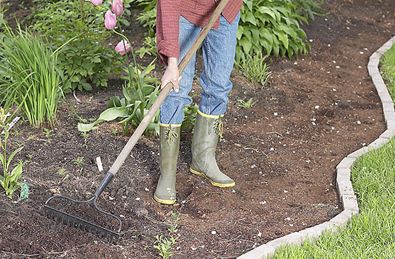
raking

As blooms and foliage begin to fall and fade, it’s time to begin considering a rousing game of fall cleanup! Not only will it make Spring planting a cinch, a bit of raking and deadheading can get you moving and staying toasty warm!

For starters, begin by raking up any dead leaves or debris that have settled around the base of your plants. This is a great opportunity to add a fresh layer to your compost pile for use in the Spring, as well as help deter pests and diseases from setting up shop.

After raking, it’s an opportune time to clearly see any remaining weeds that can be pulled up.

Next, take some time to cut back any perennials that need it. Most perennials can be cut down to just a few inches once they’ve completely died back (make sure the plant is completely brown before doing any cutting to ensure all of its energy has gone back to its roots). If you’re unsure about how to cut back a certain plant, come in and ask us!

Finally, take care with any fragile plants that are risky to keep outside over winter. Tuber plants like canna lilies or banana plants will need to be dug up, as well as spring bulbs to help preserve them for success next season. Store them separately in a brown paper bag in a dry place where they will not freeze. A basement or garage will work fine.

With a little elbow grease and forethought, managing your garden can get a little easier!


Posted in Fall Plants, Gardening Tips | Tagged fall, fall cleanup, nursery, pruning, raking

Helping Kids Grow

Posted on October 29, 2014 by RutgersLN

CaseMiddleSchoolGreenhousePartnership2014


Rutgers Nursery is pleased to announce its recent partnership with J.P. Case Middle School in Flemington to enhance their horticulture and environmental programs! We are so excited to share our love of plants with a new generation — together we can plant for the future!

Stay tuned for upcoming programs and events!

Posted in Community Involvement, Uncategorized, Workshops and Lectures | Tagged Case Middle School, Community involvement, NJ Garden Center, Nj Nurseries

How to Help Prepare and Protect Your Evergreens from a Harsh Winter

Posted on October 27, 2014 by RutgersLN

Rhododendron In WinterEvergreens are a hearty bunch. Though they hang onto much of their leaves throughout the year, evergreens are fall-shedding and drop leaves too!  The secondary growth (old) from the center of the trunk is where they drop their leaves to store carbs for winter.  This is how they make it through tough winters!  But from time to time, they need a little help from us. There are a few easy DIY methods to help reduce leaf burn and branch damage. One product that we recommend is WiltPruf, a polymer spray derived from pine trees. WiltPruf is great to help protect the moisture content of leaves in evergreen trees and shrubs including skip laurels, azaleas, hollies, magnolias, rhododendrons, and boxwoods. The best time to spray WiltPruf is during the fall on a mild day when rain is not in the immediate forecast, as it needs dry conditions to be effective.

Another method that can really help reduce evergreen damage is by being a proactive home gardener. After snowfall, knock off the snow from your shrubs with a long handled broom. The key is to not let the snow sit for too long and freeze into a hard block of ice.

Recently, one of our customers told us how they’d construct open plywood boxes around their boxwoods which sat slightly under the eaves. The boxes helped prevent the melting snow and ice from landing on top of them.

With a little preparation and by being proactive, your evergreens will be healthy and happy come Spring!


Posted in Evergreens, Gardening Tips, Winter plant protection | Tagged evergreens, NJ Garden Center, Nj Nurseries, Winter plant protection

What to do with a Capricious Crape Myrtle

Posted on October 20, 2014 by RutgersLN


Crape Myrtle from Tree to Shrub


Stressful weather conditions are inevitable factors that can harm your trees and shrubs.  If you’re lucky, mother nature may grant your plant a second chance.  Even with significant seasonal damage, you may be able to revive what’s left if there are signs of new growth.  For example, take a look at the crape myrtle ‘bush’ in the foreground.  Winter damage killed off the central trunk, but not the entire tree.  New shoots came up from the bottom, yielding a more bush-like form, which still produced a multitude of gorgeous flowers in the summertime.  This new form can be kept, or you may be able to achieve its former upright appearance. As new “suckers” begin to grow from below, you can select the 3-4 that look the strongest and let them grow, pruning the others away.  To encourage the “suckers” to develop nice and straight, twine can be used to help brace the new young trunks upwards.

To learn more about how to revive a stressed crape myrtle, stop by our nursery — our knowledgeable staff is happy to help!

Posted in Gardening Tips, Ornamental Plants, Plants from Rutgers Nursery, Shrubs for Sun, Uncategorized | Tagged Crape Myrtle, Flowering Trees, Gardening tips, NJ Garden Center, Nj Nurseries

Post navigation

← Older posts
Newer posts →

Categories

  • Community Involvement
  • Container Gardening
  • Evergreens
  • Expansion
  • Fall decorations
  • Fall Plants
  • Gardening Tips
  • Landscape Design
  • Nursery Store
  • Ornamental Plants
  • pests
  • Plants from Rutgers Nursery
  • Plants with berries
  • Pools
  • Rare and unusual plants
  • Rare plants grown by Rutgers Nursery
  • shade plants
  • Shrubs for Sun
  • Trees Grown by Rutgers Nursery
  • Uncategorized
  • Winter plant protection
  • Workshops and Lectures

Archives

  • February 2017
  • October 2016
  • August 2016
  • July 2016
  • June 2016
  • May 2016
  • March 2016
  • February 2016
  • January 2016
  • November 2015
  • October 2015
  • September 2015
  • August 2015
  • July 2015
  • March 2015
  • February 2015
  • December 2014
  • November 2014
  • October 2014
  • September 2014
  • August 2014
  • July 2014
  • June 2014
  • May 2014
  • April 2014
  • November 2013
  • October 2013
  • September 2013
  • August 2013
  • July 2013
  • June 2013
  • May 2013
  • April 2013
  • March 2013
  • February 2013

Tags

Bald Cypress blossoms bright flowers butterflies clethra Container Gardening coreopsis Cornus kousa "Wolf Eyes" deer resistant Fall foliage trees Fall Plants Flowering Trees gardening Gardening tips Hardy Rubber Tree Hummingbird Gardens Hunterdon County pools insects japanese beetles Japanese Stewartia lasting blooms lasting foliage native plants natural pest remedies NJ Garden Center nj garden centers NJ landscape design Nj Nurseries nj nursery NJ pools Oakleaf Hydrangea Pagoda Dogwood Paperbark Maple Pawpaw Tree Rare and Unusual Plants Rare Plants Grown by Rutgers Nursery Roses Rutgers Pools snow snowbell styrex Summer Landscape Design terrariums Trident Maple workshops
  • Home
  • About
  • Private Events
  • Contact Us & Directions to Rutgers Nursery
  • Nursery
  • Landscape Design
  • Blog
  • Shop Online
  • Events Calendar

Rutgers Landscape & Nursery
1051 US Hwy 202, Ringoes, NJ 08551
908-788-2600 Call or Text!

  • Facebook
  • Houzz
  • Instagram
Stay In Touch »

Neither this company, nor the services and products it offers, are affiliated with, or endorsed by, Rutgers University

Copyright © 2026 RutgersLN.com
Website Design & Website Hosting by IQnection

Terms & Conditions
Sign up to receive information about sales, special discounts and events