
 If you’re looking for a truly unique specimen to intrigue your senses year-round, Japanese Stewartia is an excellent choice. This stunning deciduous ornamental is native to Japan and is a member of the tea family. With elegant, ruffled white blooms appearing in late summer, along with rich, deep green foliage, its canopy offers a sensory experience all on its own. What’s more, its stately trunk offers a collage of exfoliating bark that peels away in rounded lobes of peach-colored hues, complementing its leaves that turn shades of vibrant vermillion in autumn. With such variation in seasonal beauty, Japanese Stewartia truly makes a statement to any garden. However, the beauty of this tree is best seen in person — stop by our nursery to check it out!
The Colors are Coming!

As people and plants alike continue to thaw after what seemed like an endless winter, the wait will soon be rewarded with beautiful bursts of lush color. One natural palette of particular note we’ll soon be seeing is the Ace of Hearts Redbud, a new and rare addition to the farm, and one of the earliest harbingers of spring. One interesting fact about redbuds is that their buds are actually deep pink in color and open into pink, magenta, or purple-ish blooms. So why are they called redbuds? Their roots can be processed to make a deep red dye used to naturally color fabric and textiles. Come by the nursery to see this beautiful spring specimen, due to be in full bloom before long! With so much pink, purple, and red — you may just fall in love!
Do Your Skip Laurels Look Like Ours Do?

No worries, these Skips will bounce back, even after the tough winter we just experienced!
Skip Laurels (also Cherry Laurels, Hollies and all broadleaf Evergreens) frequently experience some winter burn and also deer browsing, especially if your plants are near an existing woods line. They will lose their leaves and look very weak, even at the end of April. This is normal. “Skips” require a significant stretch of warm weather to rally out of Winter dormancy and fully flush out again. It can be as late as early July before the Skip Laurels are back 100%. Removing any dead branches will greatly speed up the plant’s ability to thrive. Patience is all that is required!
Design Studio Progress!
Our farmhouse restoration is coming along nicely!

Stage One!

Stage Two, Restoration of Victorian Porch

Stage Three – a Beautiful Coat of Paint

Stage Four – Hardscaped Walkway and Retaining Walls
Green Mountain Sugar Maple
Green Mountain Sugar Maple is valued for its brilliant red, yellow, or orange fall color that develops in the cooler part of its range. The trunks of these long lived 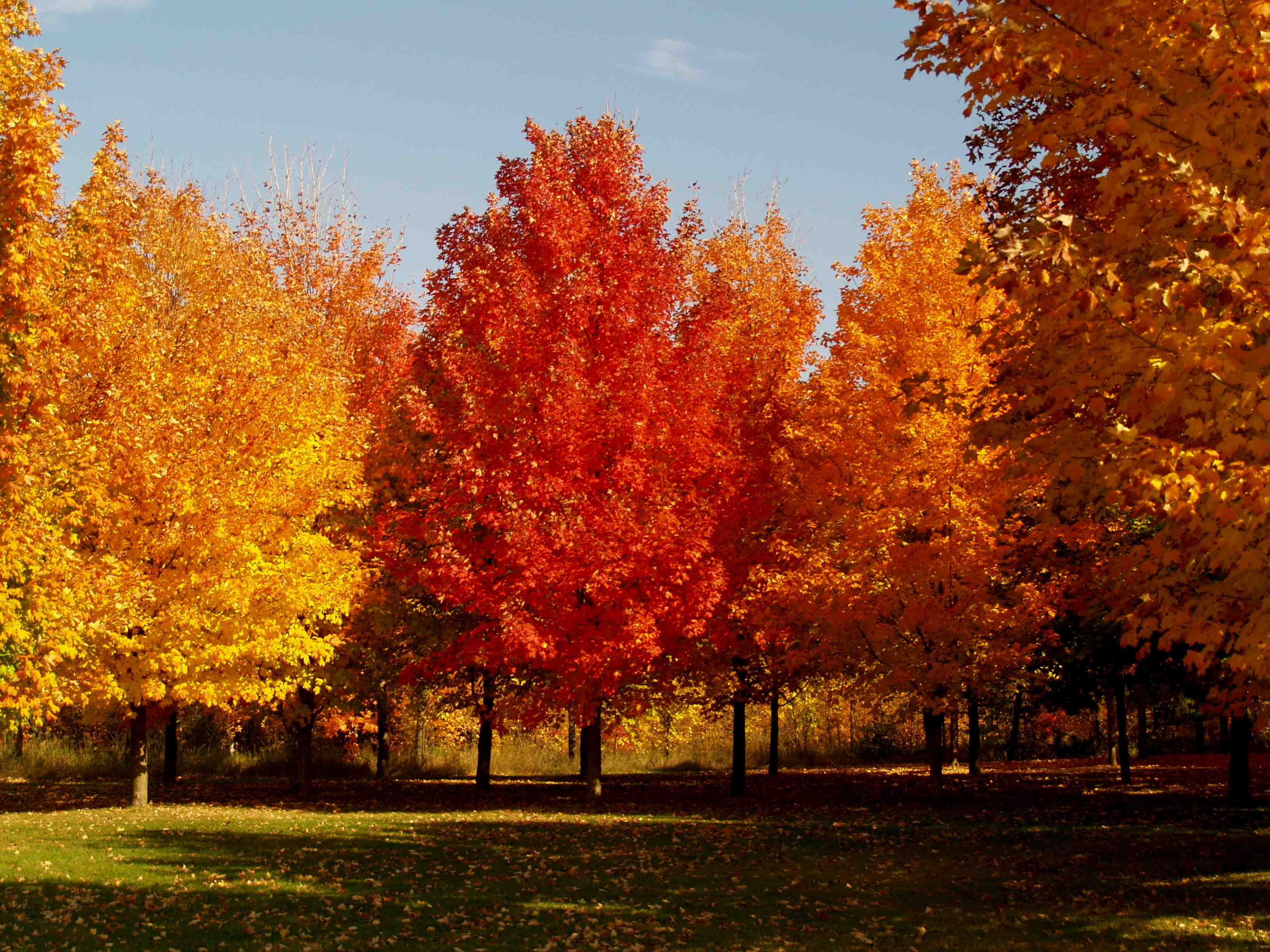 maples are tapped in the winter for their sap, which is later boiled down to make maple syrup. Green Mountain develops into a stately tree that grows 40′-60′ tall and 35′ wide at maturity. Growing in full sun or shade, this species will tolerate a wide variety of soil types.
Some Free, Fun, Fall Events at the Nursery
 Saturday, September 21 at 11:00, join us for a Fall Foliage Garden Walk! Bring your questions about trees and shrubs with the best Autumn color.
 Saturday, September 28 at 11:00, we will be making lovely Fall Wreaths! We’ll supply a grapevine wreath and a wealth of seasonal decorative materials. This is a popular workshop – reservations are required. Call us at 908-788-2600.
 Ladies’ Evening on the Patio! Join us on Friday evening, from 6:00 pm – 8:30 pm for an evening of wine tasting, hors d’oeuvres and handmade balms and creams. Unionville Vineyards, Bluefish Grill and Storybook Farms will supply their wonderful wares and the outdoor fireplace will be lit; a perfect Girl’s Night Out!
Reservations are Required
Our New Favorite Feathery Filler!

Amsonia
Amsonia Hubrichtii, commonly called Bluestar, sports lovely, feathery foliage. This perennial is easy to grow in full sun or part shade and lends a soft, flowing feel to the landscape. Small light blue flowers appear in spring, but the foliage is the star here, with the added bonus of beautiful yellow fall color. Give wonderful Amsonia a try!
A Pretty September Day
Some shots of the nursery on this pretty September day:


Gorgeous Paperbark Maple

Glowing Japanese Maple

Catmint Rebloom
Have You Met Calicarpa?

Pretty Calicarpa
A lovely shrub for full sun, Beautyberry shines in Fall. Purple clusters of berries adorn graceful arching branches. Calicarpa grows 6-10 feet tall and thrives in average well drained soil. Truly one of the best ornamental fruiting shrubs!
Why Plant in Fall?
 Have you heard the phrase “Fall is for Planting”? You may wonder why that is the case! While most plants in our area of the Mid-Atlantic can be very successfully planted in the spring, summer or fall, autumn truly is the best time. The cooler temperatures mean less heat stress and less watering needs for new plantings. In fall, the ground retains its heat much longer than the air, allowing roots to grow and become established until the ground actually freezes. This is why seeding grass in the fall is recommended. Planting in fall also allows you to get a jump on the spring season, as you will be rewarded with a larger tree, shrub or perennial!