Rutgers Landscape & Nursery | Since 1986

  • Home
  • About
    • Our Team
    • Reviews
    • Our History
    • Rutgers News
    • Career Opportunities
  • Private Events
  • Contact Us & Directions to Rutgers Nursery
    • Nursery Hours
  • Nursery
    • Nursery Specials
    • Just Arrived!
    • Tour the Nursery
    • Nursery Services
    • Nursery Map
    • Gardening Info
    • Planting for Specific Conditions
    • Maintenance and Care Tips
    • Make a Customer Care Request
    • Rutgers Warranty
  • Landscape Design
    • Project Galleries
    • Before and After
    • 10 Things to Consider When Hiring a Landscape Professional
    • Professional Design Services
    • Contact a Designer
  • Shop Online
    • Gift Cards
    • Mulch
    • Soil
    • Bulk Stone
    • Nutri-Peat®
    • Garden Coach Sessions
    • Event Signup
    • Plants
    • Plants for Pollinators
    • Native Plants
  • Events Calendar
    • Classes and Events at Rutgers

Post navigation

← Older posts
Newer posts →

The Versatile Oakleaf Hydrangea

Posted on July 25, 2013 by RutgersLN

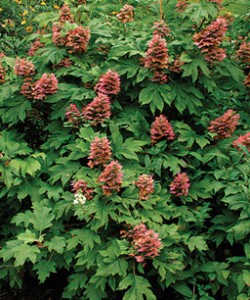
OLYMPUS DIGITAL CAMERAThis gorgeous native accomplishes so much in the landscape!  Its lush, full habit (reaching 6-8’ high) makes this shrub a nice choice for screening.  The conical white flower heads emerge in late spring, then slowly deepen in color from pink to burgundy throughout the summer.  Left to dry, the flowers make a dramatic addition to dried fall arrangements.  And the fall color!  The deeply lobed leaves are spectacular, ranging from shades of red, bronze and purple.  A truly wonderful plant!


041106486_snowflake_oakleaf_hydrangea_med


7394957_orig


Posted in Landscape Design, Plants from Rutgers Nursery | Tagged native plants, Nj Nurseries, Oakleaf Hydrangea

The Outrageously Gorgeous Crape Myrtle

Posted on July 18, 2013 by RutgersLN


Tuscarora Crape Myrtle

Tuscarora Crape Myrtle

The Crape Myrtle is quickly becoming a landscape staple in the Mid-Atlantic region. This small flowering tree is available in a wide palette of long lasting summer blooms, ranging from white, pink, purple to red. Crape Myrtles boast attractive exfoliating bark, particularly lovely in the winter time, and are resistant to deer, drought and disease. Plant this wonderful tree and enjoy great summer color for years to come.


Posted in Uncategorized

Stars of Summer

Posted on July 11, 2013 by RutgersLN

Summer’s heat is much more bearable thanks to these garden gems!  Here are some of our favorite summer blooming perennials:


2013LongIslandNurseryVisits 001Purple Coneflower (Echinacea Purpurea, Powow Wildberry)


Echinacea loves full sun and this variety will bloom all season, reaching a height of 20-24 inches.  Deadheading not required!


2013LongIslandNurseryVisits 009


Anise Hyssop (Agastache, Blue Fortune)


Bees love this taller perennial.  Growing 2-4 feet, Agastache will nicely anchor the back of a perennial border.  It’s flowers are edible and the plant is deer resistant!


2013LongIslandNurseryVisits 011
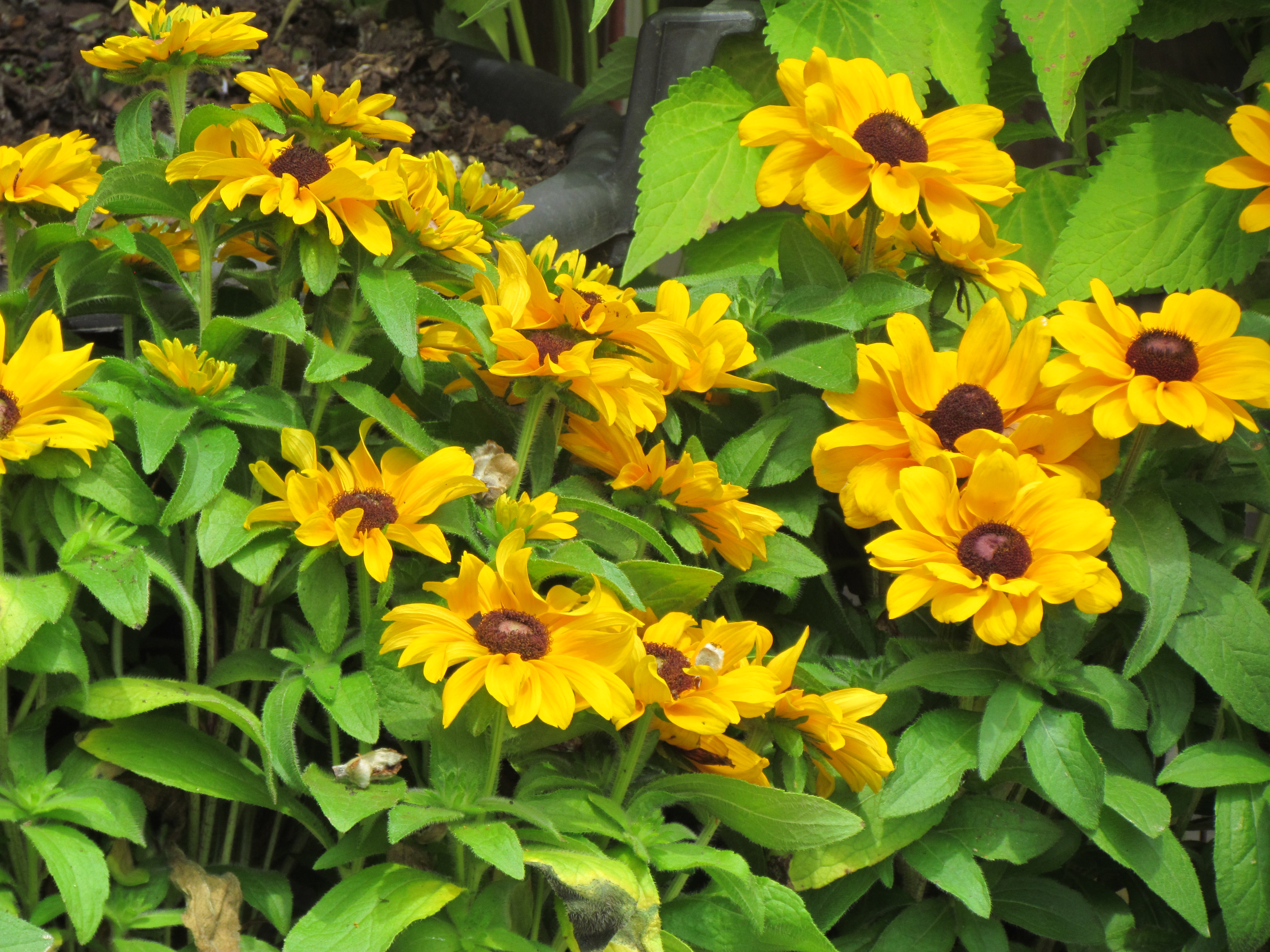
Black Eyed Susan (Rudbeckia, Tiger Eye Gold)


This bold Rudbeckia for sun or part shade is filled with lovely brown centered blooms.  It stands 16 – 24” high and is resistant to powdery mildew.


Posted in Plants from Rutgers Nursery | Tagged Gardening tips, NJ Garden Center, Nj Nurseries

“Wolf Eyes” Variegated Dogwood

Posted on July 3, 2013 by RutgersLN

Here is a wonderful variegated Dogwood for the shade garden. Cornus kousa ‘Wolf Eyes’
Cornus kousa 'Wolf Eyes'
Eye-catching gray-green leaves are accented with ivory along wavy margins, making this dogwood a beautiful specimen. Large, long lasting, star shaped white flowers bloom in late May-early June. Autumn leaves fade into a pink-red hue, and its star-like flowers are followed by bright-red berries. Wolf Eyes grows slowly to 10-15 ft. tall and wide, and prefers partial shade. A show-stopping addition to any shade garden, as their creamy white margins seem to glow in a shady area.

Posted in Plants from Rutgers Nursery | Tagged Cornus kousa "Wolf Eyes", NJ Garden Center, Nj Nurseries, Rare and Unusual Plants

Amur Maackia

Posted on June 26, 2013 by RutgersLN
Rare and unusual plants

Beautiful Amur Maackia

Here is another new addition to our tree selection this year at Rutgers Nursery.  It is also one of the trees we grow ourselves!

Amur Maackia is an attractive and rare small tree with so much to offer – showy spikes of fragrant, creamy white pea-like flowers rise above the foliage in mid-summer when few trees bloom, tidy forest green foliage which emerges a fuzzy silver in spring, and glowing golden bark that exfoliates with age. This is a very clean tree and excellent for small yards. Amur Maackia will grow to be about 25 feet tall at maturity, with a spread of 30 feet. It prefers full sun and moist,well-drained soil.


Posted in Plants from Rutgers Nursery | Tagged NJ Garden Center, Nj Nurseries, Rare and Unusual Plants

Hummingbird Gardens

Posted on June 20, 2013 by RutgersLN

5263725Their shining iridescent colors and ‘humming of wings’ make hummingbirds among the most beautiful and fascinating birds to attract. The Ruby-throated Hummingbird is the only species of hummingbird found in northern New Jersey. Male Ruby-throated Hummingbirds have a brilliant, metallic-red throat that can appear black in the shade, while females have a white throat. Both have bright iridescent green backs and wings.

Habitat

The Ruby-Throated Hummingbird is the only Hummingbird that breeds in the eastern US. Hummingbirds migrate seasonally and are attracted to woodland edges and openings near streams where their favorite nectar producing plants grow. The nectar provides the necessary energy for the Hummingbird’s rapid flight movement – a Hummingbird may beat its wings up to 75 times per second.

Feeding

Although Hummingbirds feed from nectar-bearing flowers of all colors, they are mainly attracted to bright red, pink, and orange tubular flowers. The most important thing you can do to attract these birds to your garden is to plant flowering annuals, perennials, shrubs & trees.

Also, these birds will eagerly come to special feeders that are stocked with sugar water. There are several models of Hummingbird feeders available to suit your budget and taste. It’s recommended to fill the feeders daily, with fresh “nectar solution”. Every four to five days clean the feeder thoroughly with hot water and a little vinegar to prevent mold establishment. Scrub the feeder with a bottle brush and rinse thoroughly before refilling.

Recommended Plants:

The following garden plants provide color and nectar that can help attract Hummingbirds to your garden:

  • Red Columbine
  • Scarlet Sage
  • Trumpet Vine
  • Nicotiana
  • Lobelia
  • Veronica
  • Delphinium
  • Four O’clock
  • Impatiens
  • Bee Balm
  • Lilies
  • Fuschia

A garden with a combination of these flowers (and a nectar feeder!) can assist in attracting these unique birds to your garden.

All of these annuals and perennials are available at Rutgers Nursery and Landscape in their respective seasons. Our staff is always willing to assist in all of your gardening projects.

Happy Hummingbird Watching!
Posted in Gardening Tips, Nursery Store, Plants from Rutgers Nursery | Tagged Gardening tips, Hummingbird Gardens, NJ Garden Center, Nj Nurseries, nj nursery, Rare and Unusual Plants

Dealing with Wet Soil

Posted on June 13, 2013 by RutgersLN

RainWith all the rain we’ve had lately, you may be wondering how this excess water affects our plants! For areas that drain well, our rainy periods shouldn’t have a negative effect. However, heavy clay soils that are not amended with organic material (like compost) can prevent easy drainage. Why is water a problem? Excess water in the soil forces out air. When there is less air available, the oxygen is rapidly used and becomes inadequate for good root growth. Adding compost is a great way to loosen clay soil and improve drainage. Adding a trench to divert water away from plants works well too.

Posted in Gardening Tips | Tagged Gardening tips, Nj Nurseries

How to Care for Your Roses so They Bloom all Summer

Posted on June 7, 2013 by RutgersLN

Rose pruningWater Adequately

Diligently check the moisture level in the rose beds at least twice a week in dry summer weather. When watering, avoid frequent shallow sprinklings, which won’t reach the deeper roots and may encourage fungus.

Feed Regularly

Once a month between April and July, apply a balanced granular fertilizer (5-10-5 or 5-10-10). Allow 3/4 to 1 cup for each bush, and sprinkle it around the drip line, not against the stem.
In May and June, add in an additional tablespoon of Epsom salts along with your fertilizer; the magnesium sulfate will encourage new growth from the bottom of the bush.

Mulch Generously

Mulch, as an element to rose care, helps minimize weeds, keeps the soil moist and loose, and adds essential nutrients.

Prevent Pests and Disease

Removing dead leaves and canes will help reduce pests. Local pests to watch out for are:
Stem Borers
Japanese Beetles
Aphids
Spider Mites
Black Spot/Powdery Mildew

Prune to Promote Blooms

PruningGraphicPruning your roses keeps them blooming repeatedly all summer long.  Deadhead religiously and keep beds clean. Every leaf has a growth bud, so removing old flower blossoms encourages the plant to make more flowers instead of using the energy to make seeds. Clean away from around the base of the rosebushes any trimmed debris that can harbor disease and insects.

Stop deadheading all your rose plants 3 to 4 weeks before the first hard frost so as not to encourage new growth at a time when new shoots may be damaged by the cold.

These simple techniques for rose care will assure you a season of abundant flowers and healthy plants.

Posted in Gardening Tips, Plants from Rutgers Nursery | Tagged Gardening tips, NJ Garden Center, Roses

Tips for Planting Perennials

Posted on May 31, 2013 by RutgersLN

iStock_000009067476SmallOne of the great joys of the garden is lush, flowering perennials. New gardeners may find the thought of planning and planting a perennial bed intimidating, but it’s really easy! Long-term success with perennials is a direct result of good planning and some simple prep work. Here’s what you need to know:

Site preparation

First, pick the spot for your perennial bed. If necessary, use a garden hose or string and stakes to visualize the bed lines. If the bed is already cut, so much the better. Either way, be sure the space is the size and shape you want. Remove any vegetation in the bed. Lift sod and/or remove any weeds.

Healthy soil promotes healthy plants, which are more insect and disease resistant. We can’t over-emphasize the long-term value of adding organics, like peat moss, compost and manure to the garden.  One part peat moss to two parts existing soil, or one part each garden soil, peat moss, and compost (or dehydrated manure) will give you great soil in which to start your new garden. Also add a handful per plant of an organic, balanced fertilizer like Plant-Tone. Mix or till these materials into the soil prior to planting. Grade the soil so the final desired contour is achieved.

Planting

The hole you dig for each perennial should be twice the size of the container the perennial comes in. The wider the hole, the better, since plant’s roots grow out more easily into loosened, enriched soil. Remove the perennial from the container and lightly loosen the roots so the plant will grow out of its tightly wrapped ball and settle in more quickly.

Refill the hole with enriched soil, setting plants into holes at their original growing level. Never bury a plant deeper than its crown (where the roots and the stems meet) Buried crowns mean suffocated plants! Plant 2 inches higher than ground level if you are going to mulch. Backfill the rest of the hole with enriched soil. Tamp down the soil to remove any large air pockets.   Water well, with a soft trickle of water that lasts long enough to saturate the root ball deep into the soil. Perennials prefer one inch of water a week, in one application. However, different soil types may need slightly more or less water. Use your fingers to poke into the soil to test the dampness of the soil.  In order to conserve precious moisture and to keep weeds down, mulch your perennials with a 2-3 inch layer of organic mulch (not stones!)

A well-planned, well-planted perennial garden will be a joy for many years. Let us help you make the choices that will give you the garden you’ve dreamed of.


Posted in Plants from Rutgers Nursery, Uncategorized | Tagged Gardening tips, NJ Garden Center, nj nursery

We’re Now Installing Pools!

Posted on May 24, 2013 by RutgersLN


Now in addition to custom landscape design and installation, Rutgers Landscape Design now creates and installs custom pools! This enables us to offer a greater range of services from property master plans to landscape planting to hardscaping to pool installation, all with one company, all integrated as one beautifully designed unit.

Jim'sHouseAug2011047EditedP10206438 25 2009 016

Posted in Expansion, Landscape Design, Pools | Tagged Hunterdon County pools, NJ landscape design, Nj Nurseries, NJ pools

Post navigation

← Older posts
Newer posts →

Categories

  • Community Involvement
  • Container Gardening
  • Evergreens
  • Expansion
  • Fall decorations
  • Fall Plants
  • Gardening Tips
  • Landscape Design
  • Nursery Store
  • Ornamental Plants
  • pests
  • Plants from Rutgers Nursery
  • Plants with berries
  • Pools
  • Rare and unusual plants
  • Rare plants grown by Rutgers Nursery
  • shade plants
  • Shrubs for Sun
  • Trees Grown by Rutgers Nursery
  • Uncategorized
  • Winter plant protection
  • Workshops and Lectures

Archives

  • February 2017
  • October 2016
  • August 2016
  • July 2016
  • June 2016
  • May 2016
  • March 2016
  • February 2016
  • January 2016
  • November 2015
  • October 2015
  • September 2015
  • August 2015
  • July 2015
  • March 2015
  • February 2015
  • December 2014
  • November 2014
  • October 2014
  • September 2014
  • August 2014
  • July 2014
  • June 2014
  • May 2014
  • April 2014
  • November 2013
  • October 2013
  • September 2013
  • August 2013
  • July 2013
  • June 2013
  • May 2013
  • April 2013
  • March 2013
  • February 2013

Tags

Bald Cypress blossoms bright flowers butterflies clethra Container Gardening coreopsis Cornus kousa "Wolf Eyes" deer resistant Fall foliage trees Fall Plants Flowering Trees gardening Gardening tips Hardy Rubber Tree Hummingbird Gardens Hunterdon County pools insects japanese beetles Japanese Stewartia lasting blooms lasting foliage native plants natural pest remedies NJ Garden Center nj garden centers NJ landscape design Nj Nurseries nj nursery NJ pools Oakleaf Hydrangea Pagoda Dogwood Paperbark Maple Pawpaw Tree Rare and Unusual Plants Rare Plants Grown by Rutgers Nursery Roses Rutgers Pools snow snowbell styrex Summer Landscape Design terrariums Trident Maple workshops
  • Home
  • About
  • Private Events
  • Contact Us & Directions to Rutgers Nursery
  • Nursery
  • Landscape Design
  • Blog
  • Shop Online
  • Events Calendar

Rutgers Landscape & Nursery
1051 US Hwy 202, Ringoes, NJ 08551
908-788-2600 Call or Text!

  • Facebook
  • Houzz
  • Instagram
Stay In Touch »

Neither this company, nor the services and products it offers, are affiliated with, or endorsed by, Rutgers University

Copyright © 2026 RutgersLN.com
Website Design & Website Hosting by IQnection

Terms & Conditions
Sign up to receive information about sales, special discounts and events